Wedding bouquet case study West End Lane before and after
Posted on 23/10/2026
If you are searching for a Wedding bouquet case study West End Lane before and after, you are probably trying to see what a bouquet actually looks like in the real world, not just in a polished product photo. Fair enough. Wedding flowers can be deeply personal, and the difference between a rough concept and a finished bouquet is often where the magic happens.
This guide walks through the planning, design thinking, before-and-after transformation, and practical decisions that shape a wedding bouquet for a West End Lane wedding. It is written for couples who want something beautiful but also grounded, balanced, and realistic. You will find useful comparisons, common mistakes, a checklist, and a clear example of how a bouquet can evolve from idea to aisle-ready arrangement. Along the way, we will also point to related floral options such as wedding bridal bouquets and the broader weddings collection when helpful.
Let's face it: the best wedding bouquet is not just pretty. It has to suit the dress, the season, the venue, the photographer's lighting, and the person carrying it. That is a lot for one bundle of flowers to handle, so a thoughtful before-and-after approach is genuinely useful.
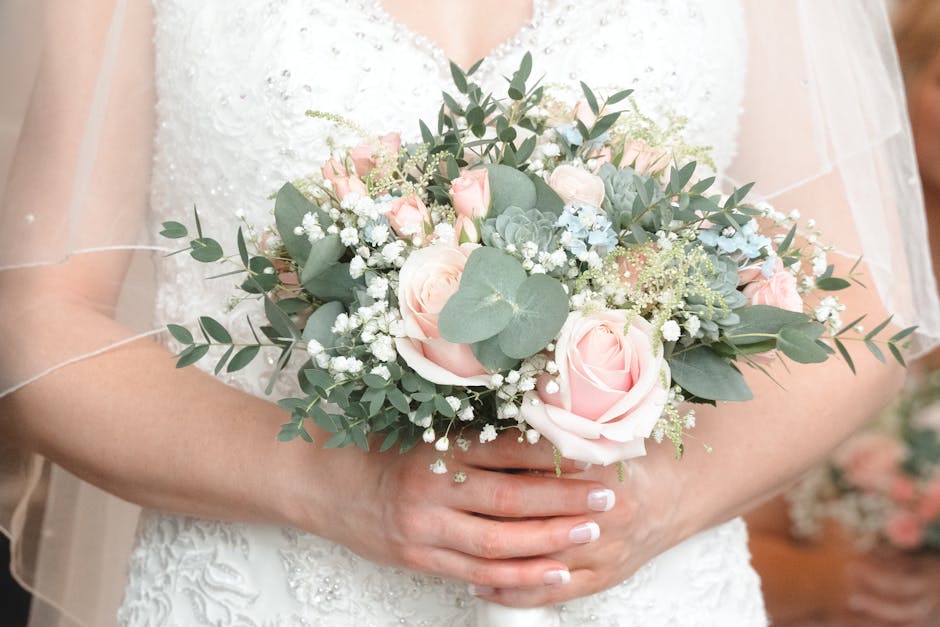
Table of Contents
- Why Wedding bouquet case study West End Lane before and after Matters
- How Wedding bouquet case study West End Lane before and after Works
- Key Benefits and Practical Advantages
- Who This Is For and When It Makes Sense
- Step-by-Step Guidance
- Expert Tips for Better Results
- Common Mistakes to Avoid
- Tools, Resources and Recommendations
- Law, Compliance, Standards, or Best Practice
- Options, Methods, or Comparison Table
- Case Study or Real-World Example
- Practical Checklist
- Conclusion
- Frequently Asked Questions
Why Wedding bouquet case study West End Lane before and after Matters
A wedding bouquet case study matters because flowers are one of those details that can look simple until you are the one making the decisions. A bouquet is not just a hand-tied bunch. It is a design object, a comfort item, a photo prop, and often a quiet emotional anchor on the day.
For West End Lane weddings, the "before and after" angle is especially useful because local couples often juggle a few realities at once: compact spaces, city logistics, weather changes, and tight schedules. One minute you are imagining a soft romantic bouquet in your head; the next, you are checking whether it will still look fresh after transport and a short wait before the ceremony. That's the real-world part people sometimes miss.
A case study also helps you judge whether the final bouquet matches the original brief. Did the palette stay true? Did the shape flatter the dress? Did the bouquet hold up from morning prep to the last dance? These questions are practical, and they matter more than most couples expect at the start.
Key idea: a good bouquet transformation is not about making the flowers look "more expensive." It is about making them look right for the wedding, the person holding them, and the photos that will last for years.
How Wedding bouquet case study West End Lane before and after Works
The before-and-after process usually begins with a loose idea rather than a finished design. Most couples bring a mix of inspiration images, colour preferences, and a vague sense of mood. Romantic. Modern. Natural. Luxe. Minimal. The florist then turns that into something buildable.
The "before" stage typically includes the planning notes: flower types, stem length, bouquet size, ribbon choice, and how formal or relaxed the shape should feel. Sometimes the first concept sounds lovely on paper but needs refining. For example, a bouquet might be too tall for a petite bride, or too dense for a summer outdoor ceremony. Small adjustments make a big difference. Honestly, sometimes it is the little things: a softer edge here, a lighter bloom there, and suddenly it clicks.
The "after" stage is the finished bouquet on the day, usually after conditioning, shaping, and final detailing. At this point, the bouquet should feel cohesive. The colours should read well in daylight. The proportions should feel balanced in the hand. And the whole piece should hold together without looking stiff or overworked. That bit matters.
If the wedding includes extras such as matching wedding buttonholes or coordinated wedding bridesmaid bouquets, the bouquet becomes part of a wider floral story rather than a standalone item. That is often where the design starts to feel truly polished.
Key Benefits and Practical Advantages
Using a before-and-after case study approach gives you more than inspiration. It gives you decision-making clarity.
- Better visual expectations: you can see how a concept becomes a real bouquet, which helps prevent surprises.
- Smarter budgeting: you can spot where premium blooms create impact and where simpler flowers do the job beautifully.
- Improved coordination: you can align the bouquet with the dress, bridesmaid palette, and venue style.
- More confidence on the day: a bouquet that has been properly planned tends to feel calmer and more "finished" when it arrives.
- Stronger photography results: balanced shapes and well-chosen tones tend to hold up better in natural light and close-up shots.
There is also a subtle emotional benefit. Seeing the transformation from rough idea to finished bouquet gives couples reassurance. It can take some of the nervousness out of the process. You stop guessing. You can picture it.
And for florists, a case study is useful because it shows the design logic behind the bouquet, not just the end result. That helps set expectations properly, which is half the battle in wedding work.
Who This Is For and When It Makes Sense
This kind of bouquet planning is especially useful if you are:
- choosing wedding flowers for the first time and do not know where to start
- trying to match your bouquet to a specific dress shape or fabric
- planning a West End Lane ceremony with a clear colour palette
- deciding between a classic bridal bouquet and something more natural or asymmetrical
- working with a tight timeline and need practical, not fluffy, advice
- wanting a bouquet that photographs well without looking overly staged
It also makes sense if you are comparing styles. Maybe you like roses, but also like a looser seasonal look. Maybe you want elegance without the bouquet becoming too formal. A before-and-after example helps you see what those choices mean in real life.
If you are the sort of person who looks at two arrangements and says, "They both seem lovely, but which one will actually work at my wedding?", this is for you. Truth be told, that is most people.
Step-by-Step Guidance
Here is a practical way to approach a wedding bouquet transformation from first idea to final result.
- Start with the setting. Think about the ceremony space, the time of year, and whether the wedding is indoors or outdoors. A spring bouquet for a bright room behaves differently from one meant for a shaded late-afternoon reception.
- Choose the mood first. Romantic, refined, natural, dramatic, modern, or understated. Mood guides structure better than trying to pick flowers randomly from a mood board.
- Set the colour direction. Decide whether you want tonal whites, soft blush, richer reds, mixed shades, or something more playful. If you are unsure, a restrained palette usually photographs well.
- Pick the bouquet shape. Round bouquets feel classic; looser, hand-tied styles feel softer; cascading or trailing shapes feel more formal. Shape affects how the bouquet sits in photographs and in your hand.
- Match flower types to the practical brief. Some flowers are sturdy and travel well. Others are delicate and need careful handling. A good florist balances beauty with reliability.
- Review the "before" concept. Check whether the idea suits the dress, the bouquet size, and the overall wedding style before everything is finalised.
- Refine the "after" details. Ribbon, stem finish, stem length, and final bloom placement can all change the feel of the bouquet. Tiny details, big impact.
In a real planning conversation, this stage is often where the best decisions happen. Someone says, "Could it feel a touch lighter?" or "Can we soften the edge a bit?" That's normal. In fact, it is usually a good sign.
A simple decision path
If you are stuck, follow this order: dress first, venue second, bouquet style third, flower palette fourth. That sequence tends to reduce confusion. Not always, but often enough to be helpful.
Expert Tips for Better Results
The strongest wedding bouquet designs usually share the same traits: balance, clarity, and restraint. Here are the details that tend to make a visible difference.
- Think in proportions. A bouquet should suit the wearer, not overpower them. Petite brides often look best with something lighter in scale.
- Use texture carefully. Mixing soft petals with finer details can add depth, but too many textures can make the bouquet feel busy.
- Choose one focal point. One striking bloom or cluster can give the design a natural centre of gravity.
- Keep the ribbon honest. A ribbon should complement the flowers, not compete with them. A simple finish often looks better than an overdone one.
- Remember the grip. The bouquet needs to feel comfortable to hold for a few hours. Nobody wants aching hands before the first dance. Minor detail? Not really.
- Ask how it will age through the day. Some designs look gorgeous at 9am but need careful hydration and cooling to stay fresh by evening.
A nice little florist trick is to view the bouquet from three angles: front-on, side-on, and at chest height. That third angle is often the one couples forget. It's the angle guests and photographers see a lot.
Another useful point: if you love a specific flower but worry about longevity, ask for it as an accent rather than the backbone of the design. That way you get the look without relying too heavily on one bloom.
Common Mistakes to Avoid
Most bouquet disappointments are avoidable. They usually happen when the aesthetic idea is stronger than the practical plan.
- Choosing too many reference styles. If one bouquet is romantic, one is tropical, and one is ultra-minimal, the brief can become muddy fast.
- Ignoring the dress texture. Lace, satin, tulle, and crepe all interact differently with flowers.
- Overfilling the bouquet. More flowers do not always mean better design. Sometimes they just hide the shape.
- Forgetting the transport plan. A bouquet needs to travel well and be handed over smoothly.
- Picking flowers only by image, not season. Certain blooms may be lovely but less practical depending on availability and timing.
- Not checking scale in context. What looks perfect on a table may look huge in the hand.
One common issue in city weddings is leaving the bouquet logistics until the last minute. West End Lane is not a rural village with endless time and space; timing matters. So does access. So does storage. A tiny bit of planning goes a long way.
Tools, Resources and Recommendations
You do not need a huge toolkit to plan a wedding bouquet well, but a few things help.
- Reference photos: collect a small set, not fifty. Three to five strong examples is usually enough.
- Colour swatches: fabric samples or even a screenshot of the dress can help with tone matching.
- Venue notes: light quality, room size, and ceremony layout all shape how flowers read on the day.
- Timeline checklist: a simple written plan for when the bouquet is collected, delivered, or set up.
- Flower care guidance: ask for clear instructions on storage, water, and handling.
For a broader look at wedding styles and package options, it can also help to browse the site's wedding collection and compare it with individual bridal bouquet designs such as I Cherish You bridal bouquet or The Perfect Match bridal bouquet. These pages can be useful when you are trying to understand style, scale, and naming conventions before you make a final choice.
If you want to think beyond the bouquet itself, look at coordinating pieces like wedding table arrangements. Matching elements across the day can make the whole event feel calmer and more cohesive.
Law, Compliance, Standards, or Best Practice
Wedding flowers are not heavily regulated in the same way as some other industries, but there are still sensible best practices to follow. In the UK, good floristry practice usually means being careful with product descriptions, delivery timing, customer communication, and terms around substitutions. That is especially important for wedding work, where expectations can be high and timing is tight.
On a practical level, a florist should be clear about what happens if a flower is unavailable, how substitutions are handled, and what delivery or collection arrangements apply. Transparent terms reduce stress. They also protect everyone involved, which is only fair.
Good hygiene and handling standards matter too. Fresh flowers are perishable, and wedding bouquets need safe storage, clean conditioning water, and careful handling to stay in top shape. If a bouquet includes delicate stems or blooms that bruise easily, the florist should manage that risk before the bouquet ever reaches the venue.
For customers, the best practice is simple: confirm timing, confirm colour direction, and confirm any must-have flowers well before the day. If there is a backup option agreed in advance, even better. Nobody enjoys last-minute panic. It's not a vibe.
Options, Methods, or Comparison Table
Not every bouquet style works the same way. Here is a simple comparison that can help you think through the main options.
| Bouquet style | Look and feel | Best for | Possible drawback |
|---|---|---|---|
| Classic round bouquet | Polished, symmetrical, timeless | Traditional weddings, structured dresses | Can feel less relaxed or seasonal |
| Loose hand-tied bouquet | Natural, airy, romantic | Garden-style or modern relaxed weddings | May need careful shaping to avoid looking untidy |
| Cascading bouquet | Formal, dramatic, statement-led | Grand venues, fashion-forward styling | Can overpower smaller frames or simple dresses |
| Minimal bouquet | Clean, elegant, understated | Modern weddings, refined colour palettes | Less visual drama in photos if under-designed |
The best method depends on the couple, not just the style trend. A bouquet can be technically beautiful and still feel wrong for the day. That's the bit people often discover only after seeing the first mock-up or photo reference. The good news? It is fixable, usually.
Case Study or Real-World Example
Here is a realistic West End Lane style bouquet journey, based on the kind of brief florists often work with.
Before: the couple wants a soft, elegant bridal bouquet for a late-summer wedding. Their reference images include pale roses, light blush tones, and a natural shape. They also like the idea of something "not too stiff" and want the bouquet to work with a simple dress and a small ceremony space.
Design challenge: the initial idea leans a little too full and dense. It looks lovely, but it risks feeling heavy in the hand and too round for the dress silhouette. There is also a concern that the bouquet may not read clearly in bright daylight if all the tones sit too close together.
After: the bouquet is refined into a lighter hand-tied shape with a clearer focal area, more breathing room between blooms, and a slightly more varied texture. The palette stays soft, but the final design has enough contrast to read beautifully in photographs. The stem finish is neat and understated, with a ribbon that feels clean rather than fussy.
The result is a bouquet that feels calm, elegant, and easy to hold. It looks like the original idea, but better. More focused. More balanced. And, crucially, more wearable for the whole day.
That sort of before-and-after change is exactly why case studies are so useful. They show the design process, not just the polished final image. You can see the logic behind the choices. You can see why the bouquet works.
If the wedding is part of a wider floral plan, the bouquet can be echoed in matching pieces such as wedding corsages or coordinated bridesmaid flowers. Small repeats in colour or texture often make the whole event feel more intentional. Not overdone. Just considered.
Practical Checklist
Use this checklist to keep the bouquet planning process steady and sensible.
- Confirm the wedding date and collection or delivery time.
- Decide on the bouquet mood: romantic, modern, classic, natural, or dramatic.
- Choose the main colour direction.
- Check the dress style and fabric before finalising bouquet size.
- Gather a small set of inspiration images, not too many.
- Ask which flowers are seasonal or likely to be substituted.
- Confirm whether you want a round, loose, or cascading shape.
- Think about whether bridesmaids, buttonholes, or table flowers should coordinate.
- Review care instructions for the bouquet once it arrives.
- Make sure the bouquet can be held comfortably for photos and the ceremony.
If you can tick off those points, you are already ahead of the game. Honestly, a lot of wedding stress comes from avoiding exactly this kind of simple planning.
Conclusion
A thoughtful wedding bouquet case study for West End Lane before and after is valuable because it shows the real journey from inspiration to finished design. It helps you understand what changes matter, what details are worth discussing, and how to make a bouquet feel right for the person carrying it and the setting around them.
The key is not chasing perfection. It is making deliberate choices that hold together in practice: the right scale, the right colour balance, the right shape, and the right finish. When those things line up, the bouquet stops being just a floral accessory and becomes part of the story of the day.
If you are planning your own wedding flowers, start with the feeling you want, then build the design around that. Simple enough to say, but very effective in real life. And when the bouquet arrives looking calm, balanced, and beautifully yours, that's a lovely moment. One of those small quiet moments people remember.
Get a free quote today and see how much you can save.
Frequently Asked Questions
What does "before and after" mean in a wedding bouquet case study?
It refers to the journey from the initial floral brief or concept to the finished bouquet on the day. The "before" is the idea, and the "after" is the real arrangement, including shape, texture, and final styling.
Why is a bouquet case study useful for West End Lane weddings?
It helps couples see how wedding flowers work in a real setting, which is especially useful when planning around city logistics, timing, and venue conditions. It also reduces guesswork.
How far in advance should I plan my wedding bouquet?
As early as you reasonably can. For many weddings, early planning gives you more flexibility on flowers, colour choices, and coordination with the dress and other floral pieces.
What is the best bouquet style for a simple wedding dress?
A clean round bouquet or a soft hand-tied design often works well with a simple dress. The aim is usually to complement the outfit rather than compete with it.
Can I request specific flowers in my bouquet?
Yes, though availability can depend on season and supply. It helps to list must-have flowers and then keep a backup option in mind in case something needs to change.
How do I know what size bouquet I need?
The best guide is proportion. Consider your height, dress shape, and how comfortable you want the bouquet to feel in your hand. A good florist can help balance all three.
Do wedding bouquets need different care from regular flower arrangements?
Yes, they usually do. Wedding bouquets often need careful storage, clean conditioning, and timed handover so they stay fresh and photo-ready for as long as possible.
What should I bring to a bouquet consultation?
Bring dress details, colour references, a few inspiration images, and any notes on the venue or ceremony style. Even a short list can make the conversation much more useful.
How do I make sure my bouquet matches bridesmaid flowers?
Use the same palette or a closely related one, and decide whether the bridesmaid bouquets should mirror the bridal bouquet or stay slightly simpler. Coordination matters more than exact duplication.
Are there common mistakes couples make with wedding bouquets?
Yes. The most common are overcomplicating the brief, choosing a bouquet that is too large for the wearer, and leaving logistics too late. Those three come up all the time.
Can a bouquet still look good if some flowers have to be substituted?
Absolutely. A skilled florist can usually make substitutions without losing the overall look, as long as the colour direction, shape, and texture are handled carefully.
What should I ask before ordering wedding flowers online?
Ask about delivery timing, flower substitutions, bouquet size, care instructions, and how the design will be matched to your wedding brief. Clear answers are a good sign.
Is it better to choose a classic or seasonal bouquet?
That depends on your priorities. A classic bouquet gives timeless consistency, while a seasonal bouquet often feels fresher and more natural. Many couples choose a mix of both.
Can wedding bouquets be coordinated with table flowers and buttonholes?
Yes, and that often creates the most polished overall look. Even small echoes in colour or flower type can make the whole wedding feel more connected.